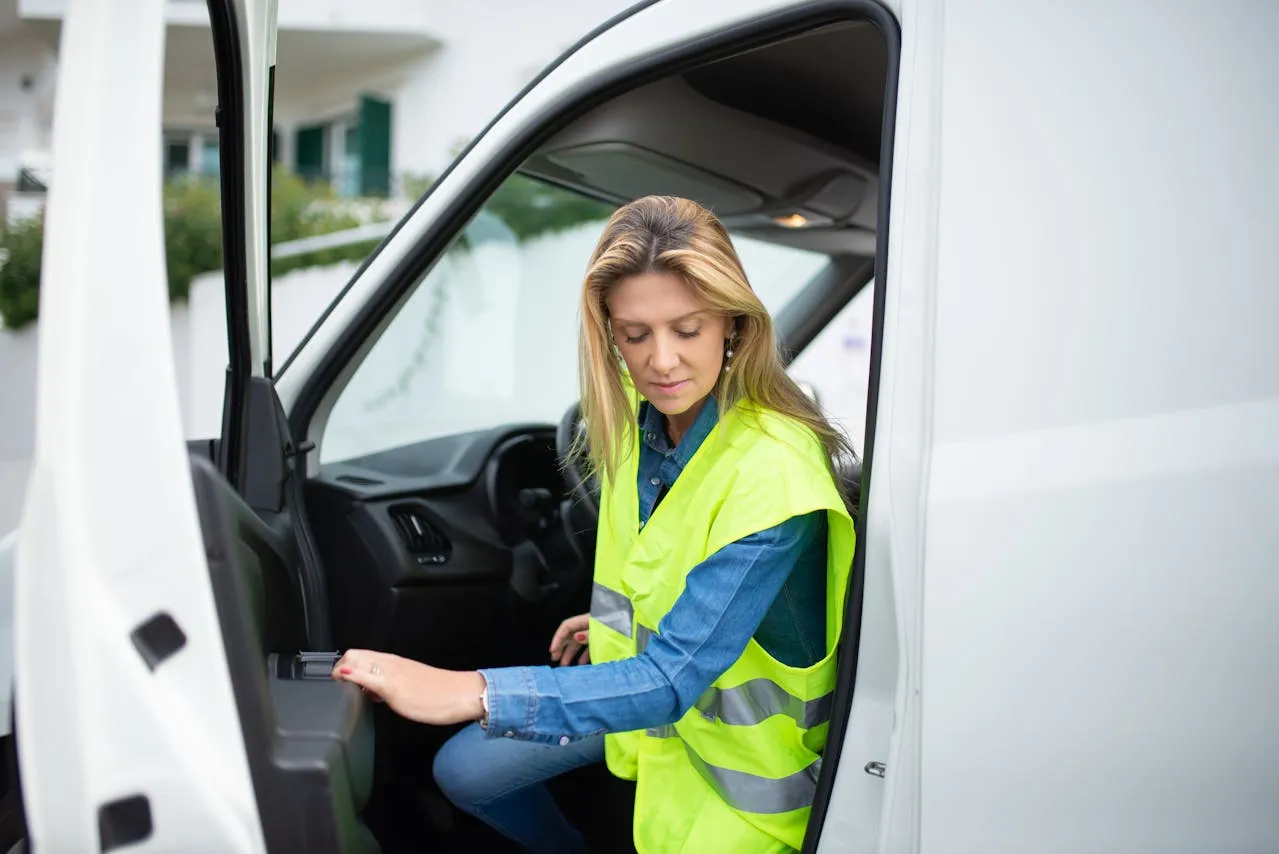
- Switching to an EV means you can stop stressing over volatile fuel prices and start seeing lower energy bills every month.
- Since EVs have fewer moving parts, you’ll spend less time in the shop and more time on the road.
- With the IAWO and FBT exemptions in your corner, upgrading to an EV is a win-win for your fleet and your tax return.
- A business loan lets you hold onto your cash flow while you start pocketing long-term EV savings immediately.
Between the bowser and the bottom line, rising fuel costs are giving many Aussie business owners a headache. Beyond 'going green', switching to an electric (or hybrid) vehicle is a smart way to take control of your running costs and protect your margins.
With more EV models available and government incentives supporting businesses, 2026 is a great time to explore the benefits for your fleet.
How EVs lock in savings among rising fuel costs
Fuel prices in Australia have been climbing steadily [1], and volatility makes budgeting unpredictable. For businesses that rely on vehicles – think tradies, delivery services, sales teams – these costs can add up quickly.
EVs offer predictable, lower-cost energy. Charging at a depot or overnight at home is generally far cheaper than filling up with petrol or diesel.
In Australia, the average driver travels around 12,000 km per year and spends about $2,500 on petrol. With an electric vehicle, though? You're looking at about $500 a year to charge for that same distance [2]. That's a lot of money back in your pocket.
{{first-banner}}
Tax incentives and write-offs make EVs attractive
You can tap into government support to help cover the cost of your new EV:
- Instant asset write-off: Allows eligible businesses to immediately deduct the full cost of certain assets, including electric models [3].
- Lower or zero FBT: Certain EVs get special FBT treatment, meaning businesses can provide company cars to staff while paying little or even no tax [4].
On top of this, certain states have specific incentives to make going electric even more affordable. For example:
- NSW offers EV fleet incentives of $5,000 to $50,000 depending on the vehicle type [5].
- NT offers free registration for new and existing PEVs and stamp duty concession of up to $1,500 [6].
Combined with operational savings, these incentives make EVs a financially appealing choice for SMEs planning fleet upgrades or replacements over the next few years.
Lower maintenance costs over time
With EVs, there are far fewer moving parts to go wrong, which means fewer oil changes, less brake wear, and less time in the workshop. Or, in other words, more time on the tools, fewer interruptions, and lower maintenance costs.
For businesses that rely on tight schedules and client commitments, this reliability is just as valuable as the financial savings.
Sustainability and brand advantage
Going electric is a massive green flag for your customers. It tells them you’re forward-thinking, innovative, and serious about sustainability. In a crowded market, a quiet, zero-emissions fleet is a pretty loud statement of your values, and a subtle way to stand out from competitors.
How finance can help you make the switch
Upgrading your fleet is a big move, but you don't need to drain your cash reserves to make it happen. Business vehicle finance lets you spread the cost, so the fuel savings start hitting your pocket while your capital stays right where you need it.
Finance also allows you to act now on government incentives, reducing upfront pressure and helping you lock in lower overheads and a more reliable fleet ahead of the next EOFY. Win, win, win.
Take the next step
The bowser isn't getting any cheaper, but your overheads can. If you're ready to stop guessing your fuel budget and start locking in savings, here’s the play: check your eligibility for the instant asset write-off, then let’s find a finance plan that keeps your cash flow steady while you upgrade. Get a quote with Valiant today.
References:
- https://www.abc.net.au/news/2026-03-09/fuel-rationing-petrol-stockpiling-as-oil-prices-rise/106432100
- https://electricvehiclecouncil.com.au/docs/will-i-save-money-by-owning-an-electric-vehicle-in-the-long-run/
- https://www.ato.gov.au/businesses-and-organisations/income-deductions-and-concessions/depreciation-and-capital-expenses-and-allowances/simpler-depreciation-for-small-business/instant-asset-write-off
- https://www.ato.gov.au/businesses-and-organisations/hiring-and-paying-your-workers/fringe-benefits-tax/types-of-fringe-benefits/fbt-on-cars-other-vehicles-parking-and-tolls/electric-cars-exemption
- https://www.energy.nsw.gov.au/business-and-industry/programs-grants-and-schemes/electric-vehicles/electric-vehicle-fleets/kick-start-funding
- https://nt.gov.au/driving/rego/getting-an-nt-registration/get-electric-vehicle-registration-and-stamp-duty-concessions