


Discover the right business loan in Australia. Compare options and get the funding your business actually needs.

Your business does not have to fit a category to be funded. If yours is not listed, it is still worth asking.

Put your best foot forward by preparing strong answers to 9 questions a lender might ask you.
Put your best foot forward by preparing strong answers to 9 questions a lender might ask you.

B2B embedded finance isn’t just a tech upgrade; it’s a strategic lever to boost acquisition, conversion, and retention.

Your existing clients aren’t just customers; they’re a source of potential growth.
Business electric car loans for Australian SMEs
Switch to EV or hybrid while keeping cash flow steady.
About
What is a business electric car loan?
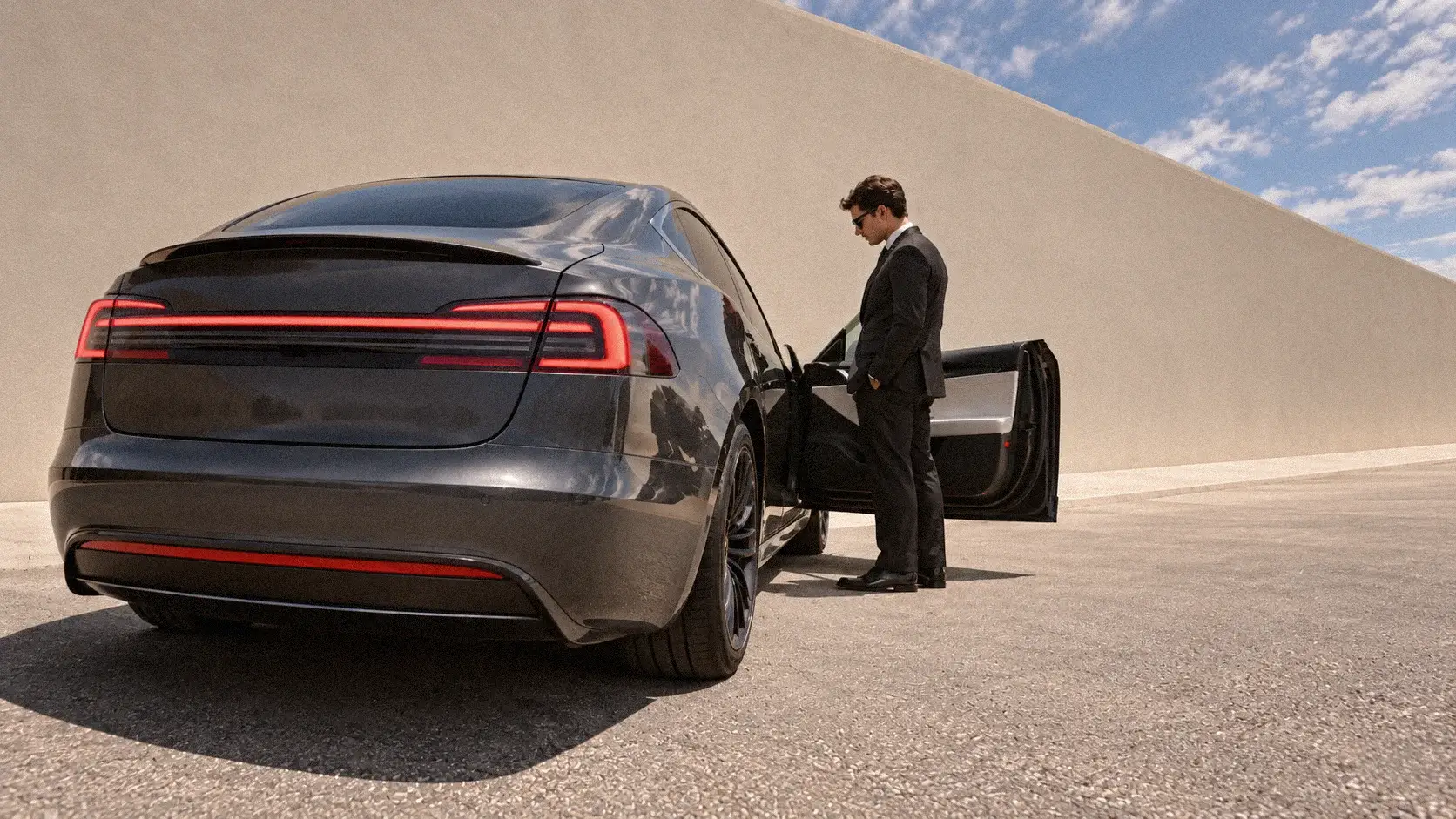
A business electric car loan (or EV loan) helps companies purchase electric vehicles, hybrids or other low-emission vehicles while spreading the cost over time. It can cover fully electric vehicles, plug-in hybrids, and energy-efficient fleet cars.

Ways to use a business EV loan
- Upgrading from a petrol or diesel vehicle to an EV or hybrid
- Building a more sustainable fleet, one vehicle at a time
- Meeting a sustainability commitment a contract or tender expects
- Moving to a vehicle with more predictable running costs
Eligibility
Lenders typically consider things like:
- Business financial health
- Cash flow stability and ability to make repayments
- Credit history
- Vehicle make, model, age, and condition
- How the vehicle will be used in the business
Why it works
What are the benefits of getting a business EV loan?

Lower emissions
EVs produce no tailpipe emissions and far fewer greenhouse gases than petrol or diesel cars.

Lower running and maintenance costs
Save up to 70% on fuel and around 40% on maintenance, which can help offset your repayments over time.

Government incentives
Going electric could make you eligible for incentives, including a federal FBT exemption and state-specific programs.

Potential tax benefits from financing
Loan repayments may be tax-deductible, and eligible vehicles can also qualify for the instant asset write-off.
Is a business EV loan right for you?
It suits many businesses, but it's worth weighing up the trade-offs first.
Ask yourself
- Have I compared the total cost, including insurance, against a petrol or diesel car?
- If the battery needed replacing down the line, would that change the economics of this vehicle for my business?
- Do my usual routes have reliable access to charging?
Potential drawbacks
- The purchase price of an EV is relatively high, and so are insurance premiums.
- Batteries lose capacity over time, which affects the car's resale value, and replacing them can be expensive.
- Charging an EV takes longer than refuelling, and charging stations aren't always widely available.
Nothing ticked yet. Tick a question and the drawback it bears on is marked opposite.
Nothing is stored, sent or assessed. This only marks what to raise.
Business electric car loans
Key features
- Loan amount
- From $5,000. Maximum varies by asset and business profile
- Term
- 1 – 7 years
Getting started
How to apply for a business electric car loan
Step 1: Get a quote
Tell us what your business needs and get quotes from 95+ bank and non-bank lenders.
Step 2: Get approved
Confirm your quote and we'll manage the application with your lender, so you can focus on running your business.
Step 3: Get funded
Sign your finance documentation and receive funding. It is that simple.
Awarded and sorted
Awards & key milestones
Our milestones are a testament to the amazing people behind Valiant.
Our panel
95+ business lenders
in your back pocket
- All lenders
- Equipment
- Vehicle
- Working capital
- Invoice
- Trade & supply chain
- Commercial property
- Construction



Why Valiant
Just one simple application.
Let us do the heavy lifting, comparing the panel and negotiating. You get all the options side by side and choose the one that’s right for you.
Dedicated specialists by your side.
You get a personal specialist who knows which lenders suit your industry and how to structure a deal so it actually works for you.
Your credit score, protected.
Explore with no credit check. See all your options, compare them properly, and choose with confidence.
30,000+ SMEs we've worked with.
Construction, hospitality, manufacturing, healthcare. Whatever your business needs, we know how to get it funded with the right loan.
Related articles
View all


FAQs
How do rising fuel costs impact my business cash flow?
Rising fuel costs just increase expenses, and can make your cash flow harder to predict and manage:
- Higher day-to-day operating costs eating into your margins
- Less cash available for wages, inventory, or growth
- More pressure on pricing, especially if you can’t pass costs on to customers straight away
The tricky part is volatility. Fuel prices can change week to week, making it harder to forecast expenses and plan ahead. For many businesses, that’s why electric vehicles are becoming more appealing. Running costs are typically lower and more predictable which can help stabilise cash flow over time. And with financing options available, you don’t need to tie up large amounts of upfront capital to make the switch.
Do hybrid cars qualify for tax benefits?
Some do, but not the fringe benefits tax (FBT) exemption for electric cars. Standard hybrids have never qualified, and plug-in hybrids stopped qualifying from 1 April 2025, unless the car was already exempt and covered by an agreement made before that date. Fully electric cars can still qualify if they meet the ATO’s conditions.
Hybrids may still be eligible for other benefits, though. Fuel-efficient models can have a higher luxury car tax threshold, some states offer registration concessions for low-emission vehicles, and businesses can usually claim the loan interest and the vehicle’s depreciation. Check with your accountant to see what applies to you.
Is it worth leasing an electric car through my business?
Leasing an EV or hybrid through your business can certainly be worth it, especially in terms of tax benefits and initial investment required. If you're unsure which route to go down, have a read of our business vehicle lease vs loan guide.
Can I refinance my existing business car loan for an EV?
Yes, you can typically refinance your business car loan to purchase an EV. Be sure to check your current agreement for any early termination fees.
Can I include charging infrastructure in my loan?
It is possible, as some lenders offer packages that cover both the vehicles and charging stations.
What is the typical interest rate for a EV car loan?
Interest rates vary based on your credit profile and lender you go with, but typically start from 6.99%.
Is it financially better to buy an electric car?
Buying an electric vehicle can be a smart financial decision, particularly due to the lower running costs compared to petrol and maintenance expenses, as well as government incentives, like rebates and stamp duty exemptions. However, EV cars typically come with higher upfront costs and you may rely on public charging infrastructures that aren't always readily available, which can impact convenience and cost-efficiency.