

Equipment finance for small businesses
From laptops to excavators, finance the equipment you need without paying for it all upfront.
Requesting a quote has no impact on your credit score.
About
What is an equipment loan?
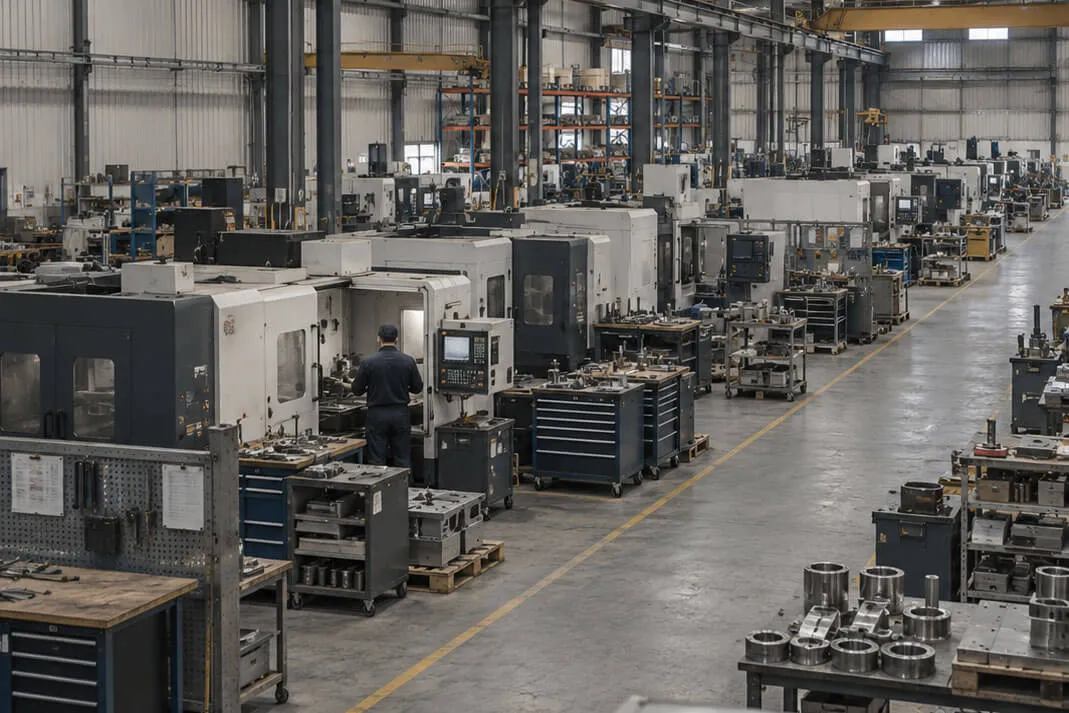
An equipment loan lets you purchase business assets upfront while spreading the cost over time.
You own them from day one, and they act as security against the loan. Once the loan is repaid, the equipment is fully yours.




Typical uses
- Renovating your business premises
- Moving to a new location
- Buying inventory
- Hiring and paying employees
- Buying equipment
- Increasing working capital
- Covering marketing costs
- Making tax payments
Eligibility
You may be eligible for a Equipment finance if your business:
0 of 3 ready. Tick what you already have.
Specific criteria can vary between lenders and products.
Requesting a quote has no impact on your credit score.
- Replacing equipment that's slowing your team down or costly to repair
- Adding equipment to keep up with new orders or contracts
- Equipping a new site, service line or product range
- Refinancing equipment you already own to free up cash
You may be eligible for an equipment loan if your business:
- Has an active ABN or ACN
- Is registered and operating in Australia
- Has been trading for at least 6-12 months
Specific criteria can vary between lenders and products. Looking for a different type of business asset finance? Explore all options.
Why it works
The benefits of equipment finance

Frees up cash flow
Spread the cost of equipment over time and keep more cash in your business.

Existing debt isn’t a dealbreaker
Lenders often focus on the value of the equipment rather than your current debt levels.

Eligible for tax benefits
You may be able to claim immediate deductions under government initiatives.

Lower interest rates
The equipment secures the loan, so interest rates are typically lower than unsecured options.
Unlock value from old equipment
Selling outdated computers, furniture or fixtures while financing their replacements can offset costs.
- If I couldn't keep up with repayments, could I afford to lose the equipment?
- Does the equipment I want to finance qualify as suitable security, or would I need to consider unsecured options instead?
- You're at risk of losing the asset if you don't keep up with repayments.
- Only equipment that qualifies as suitable security can be financed this way.
Equipment finance
Key features
- Loan amount
- From $5,000. Maximum varies by asset and business profile
- Term
- 1 – 7 years
Requesting a quote has no impact on your credit score.
Getting started
How to apply for an equipment loan
Step 1: Get a quote
Tell us what your business needs and get quotes from 95+ bank and non-bank lenders.
Step 2: Get approved
Confirm your quote and we'll manage the application with your lender, so you can focus on running your business.
Step 3: Get funded
Sign your finance documentation and receive funding. It is that simple.
Requesting a quote has no impact on your credit score.
Awarded and sorted
Awards & key milestones
Our milestones are a testament to the amazing people behind Valiant.
Our panel
95+ business lenders
in your back pocket
- All lenders
- Equipment
- Vehicle
- Working capital
- Invoice
- Trade & supply chain
- Commercial property
- Construction



Why Valiant
Just one simple application.
Let us do the heavy lifting, comparing the panel and negotiating. You get all the options side by side and choose the one that’s right for you.
Dedicated specialists by your side.
You get a personal specialist who knows which lenders suit your industry and how to structure a deal so it actually works for you.
Your credit score, protected.
Explore with no credit check. See all your options, compare them properly, and choose with confidence.
30,000+ SMEs we've worked with.
Construction, hospitality, manufacturing, healthcare. Whatever your business needs, we know how to get it funded with the right loan.
Related articles
View all


FAQs
Can I use equipment finance for heavy machinery like excavators or cranes?
Yes, equipment finance can cover heavy machinery. If you've got your eye on an excavator, bulldozer or crane, our Heavy Machinery Loans page covers financing structures suited to bigger, longer-term assets.
Can I finance office equipment like computers, printers, and furniture?
Yes, office equipment is one of the most common assets financed through equipment finance, including laptops and computers, printers and copiers, office furniture and fit-outs, IT infrastructure and networking equipment, and phone or security systems.
What are the different types of equipment finance?
There are a few ways equipment finance can be structured:
- Chattel mortgage: You own the equipment upfront, with the lender holding it as security until it's repaid.
- Hire purchase: You make fixed repayments to hire the equipment, then own it outright at the end of the term.
- Lease agreement: You use the equipment for regular payments, but the lender keeps ownership.
The right structure depends on whether ownership matters to you, how long you'll use the equipment, and how you want to manage tax and cash flow. Our lending specialists can help you compare options based on your situation.
Can I use equipment finance to borrow against equipment I already own?
Yes, if you own eligible business equipment outright, you may be able to refinance it and release equity to free up working capital, fund a new purchase, or restructure existing debt on more favourable terms. When you do so, the equipment is assessed, and funds are secured against its value.
It's worth reviewing with a lending specialist alongside your other refinancing options, since the right structure depends on your broader business finances, not just the one asset.
What's the difference between equipment finance and leasing?
When you finance equipment, you borrow funds to purchase it and the lender holds it as security until the loan is repaid. Once you complete repayments, the asset becomes yours and you can keep, sell, or trade it. Different structures exist, including chattel mortgages or hire purchase, but the core principle is the same: you’re building equity in the asset.
With leasing, on the other hand, the lender retains ownership of the equipment and you make regular payments to use it, with options to return, upgrade, or buy it at the end of the term.
Generally speaking, financing may better if want to own the asset at the end of the term and are comfortable with higher upfront costs or repayments. Leasing may be more suitable if you want to protect cash flow and prefer predictable, lower repayments.
Can I finance used or second-hand equipment?
Yes, equipment finance can cover used and second-hand equipment. Conditions may apply depending on the age, condition, and remaining useful life of the asset, with some lenders setting maximum age limits or requiring an independent valuation for older equipment. Plus, rates and loan terms can vary compared to financing new equipment, since resale value and depreciation are assessed differently.
What is a balloon payment?
A balloon payment is a lump-sum payment that’s due at the end of a loan term—commonly used in equipment finance, business car loans, and chattel mortgages. It lowers your monthly repayments but will increase the amount of interest you pay over the course of your loan.
How long can I finance equipment?
Typical finance terms for equipment loans range between three months and seven years.
What are the requirements for equipment financing?
Every lender has different requirements, and each application form will have its own set of questions. At the very least, for most business loans, you can expect to provide business registration details, financial, tax and cash flow statements, and balance sheets.
How does equipment finance work?
Equipment finance is used to purchase equipment for your business. The lender will give you the cash to purchase the equipment, which then becomes the security for the loan.