

Equipment leasing for small businesses
Stay equipped with the latest tools, without locking up capital to buy them.
Requesting a quote has no impact on your credit score.
About
What is business equipment leasing?
Equipment leasing lets your business use equipment in exchange for regular payments instead of buying it outright.
The lender retains ownership, so you get the equipment you need without the upfront cost of purchasing it. At the end of the lease term, you typically have the option to return, upgrade or buy the asset.



Typical uses
- Renovating your business premises
- Moving to a new location
- Buying inventory
- Hiring and paying employees
- Buying equipment
- Increasing working capital
- Covering marketing costs
- Making tax payments
Eligibility
You may be eligible for a Business equipment leasing if your business:
0 of 3 ready. Tick what you already have.
Specific criteria can vary between lenders and products.
Requesting a quote has no impact on your credit score.
- Leasing tech or IT equipment that needs regular upgrading
- Accessing equipment for a specific job or contract length
- Trying equipment before committing to buy it outright
You may be eligible for a business equipment lease if your business:
- Has an active ABN or ACN
- Is registered and operating in Australia
- Has been trading for at least 6-12 months
Specific criteria can vary between lenders and products.
Why it works
The benefits of business equipment leasing

No large upfront costs
Avoid big purchases and keep cash free to fund other parts of your business.

Flexible end-of-term options
Choose to return, upgrade or buy the equipment, whatever suits your needs.
Access updated equipment
Leasing makes it easy to access modern, efficient tools without the commitment of ownership.

Predictable repayments
Fixed payments make it easier to manage budgets and maintain healthy cash flow.
- Have I compared the total cost of leasing against buying outright over the same period?
- Given how this equipment will be used, could normal wear leave me facing extra charges?
- Am I confident I can commit to the full lease term without needing to exit early?
- Leasing can cost more in the long run than buying outright.
- Leases often require the asset back in near-new condition, and you may be charged for wear and tear.
- Paying off a lease early can come with termination fees.
Getting started
How to apply for equipment leasing
Step 1: Get a quote
Tell us what your business needs and get quotes from 95+ bank and non-bank lenders.
Step 2: Get approved
Confirm your quote and we'll manage the application with your lender, so you can focus on running your business.
Step 3: Get funded
Sign your finance documentation and receive funding. It is that simple.
Requesting a quote has no impact on your credit score.
Awarded and sorted
Awards & key milestones
Our milestones are a testament to the amazing people behind Valiant.
Our panel
95+ business lenders
in your back pocket
- All lenders
- Equipment
- Vehicle
- Working capital
- Invoice
- Trade & supply chain
- Commercial property
- Construction




Why Valiant
Just one simple application.
Let us do the heavy lifting, comparing the panel and negotiating. You get all the options side by side and choose the one that’s right for you.
Dedicated specialists by your side.
You get a personal specialist who knows which lenders suit your industry and how to structure a deal so it actually works for you.
Your credit score, protected.
Explore with no credit check. See all your options, compare them properly, and choose with confidence.
30,000+ SMEs we've worked with.
Construction, hospitality, manufacturing, healthcare. Whatever your business needs, we know how to get it funded with the right loan.
Related articles
View all.webp)


FAQs
Is equipment leasing tax deductible?
Some lease agreements allow for tax-deductible repayments. They may be partly or completely tax deductible, assuming your equipment is being used to generate accessible income for your business. Speak to your accountant for tailored advice.
What types of equipment can I lease?
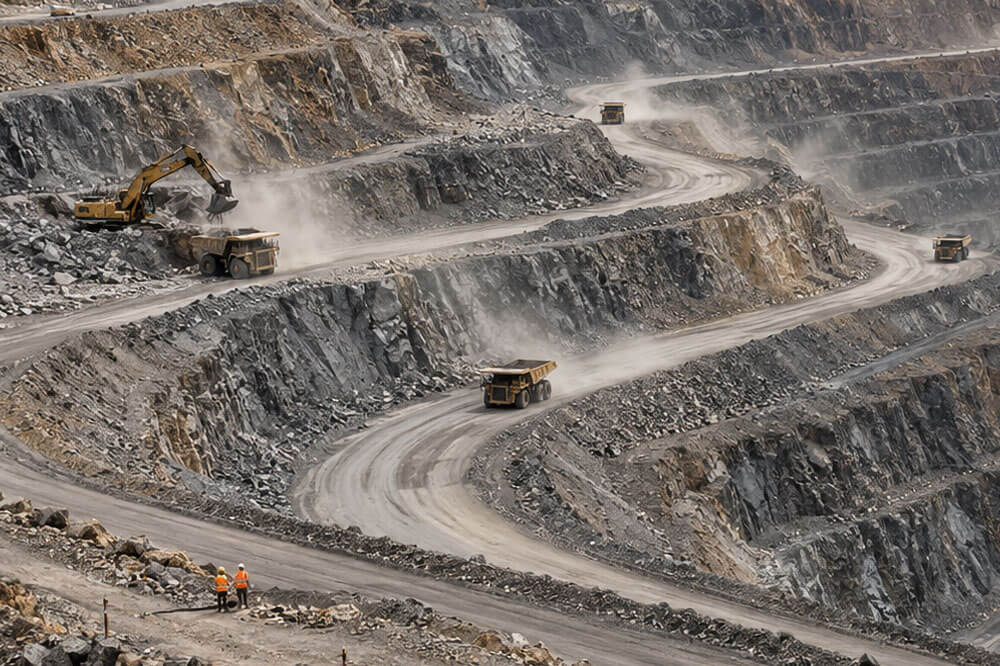
You can lease a wide range of equipment, including heavy machinery, vehicles, medical and scientific equipment, restaurant equipment, IT equipment, gym equipment, and more.
What is business equipment leasing?
Equipment leasing is a contractual agreement between you and your lender, letting you borrow and use equipment, vehicles, or machinery in exchange for periodic repayments.
Who is the owner of the asset in a lease agreement?
The lender, or lessor, owns the equipment. However, at the end of the leasing period, you typically have the option to buy it (depending on the terms outlined in your contract).
Should you lease or buy business equipment?
Leasing, as opposed to buying, is a solid option for businesses that need equipment for a short period of time or are expecting their equipment to depreciate quickly. It can also be a smart move if you don’t want to dip into savings or disrupt cash flow, and it gives you the advantage of having your assets sooner rather than later at a lower upfront cost.